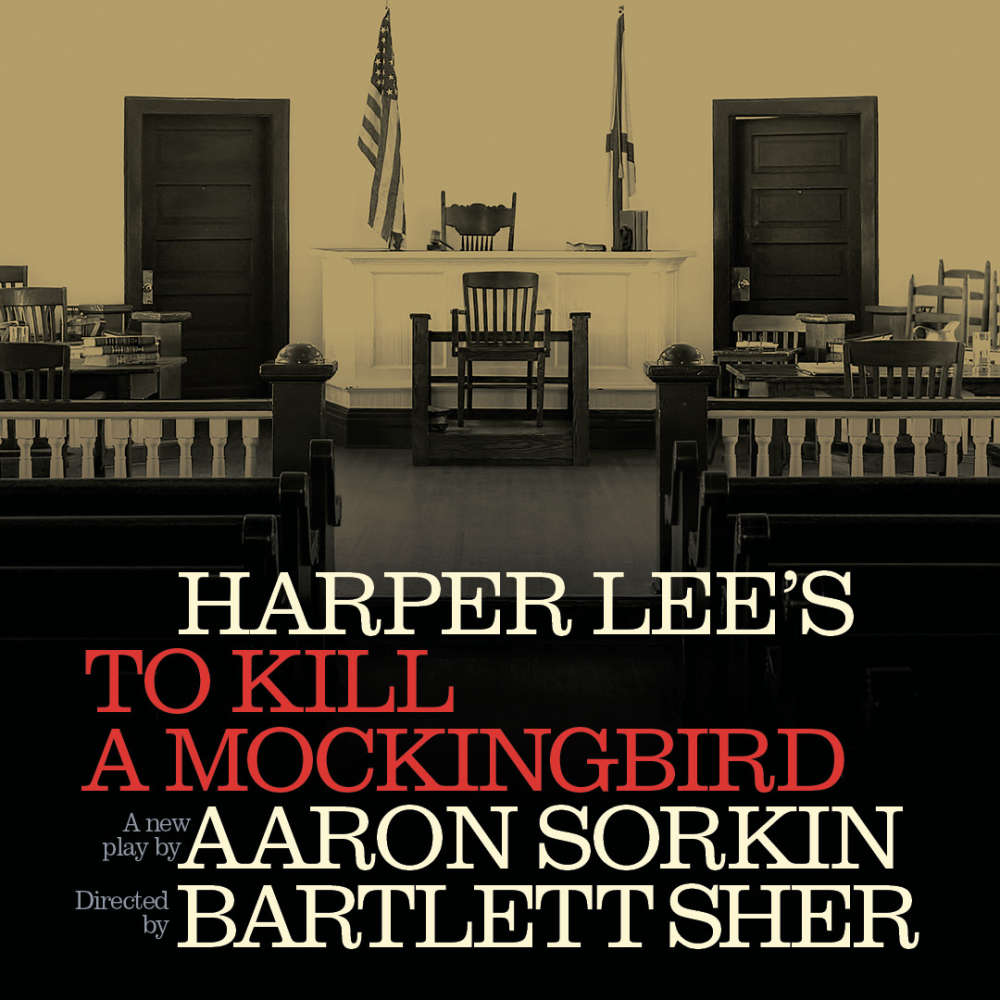
“All rise” for Aaron Sorkin’s witty, fast-talking adaptation of the classic Harper Lee American novel.
The word ‘justice’ is a complicated one. When you consider what getting justice means in our modern legal system, you consider that one should get a fair trial by a jury of their peers who will reach a truthful verdict based on the evidence presented to them. This is often not the case, especially when the accused is a person of colour. Humans are emotional creatures who make decisions based on feelings and try to justify themselves after the fact. People can be deeply ugly, monstrous racists — that’s not something that has changed, but it is all the more pressing in 1930s Alabama.
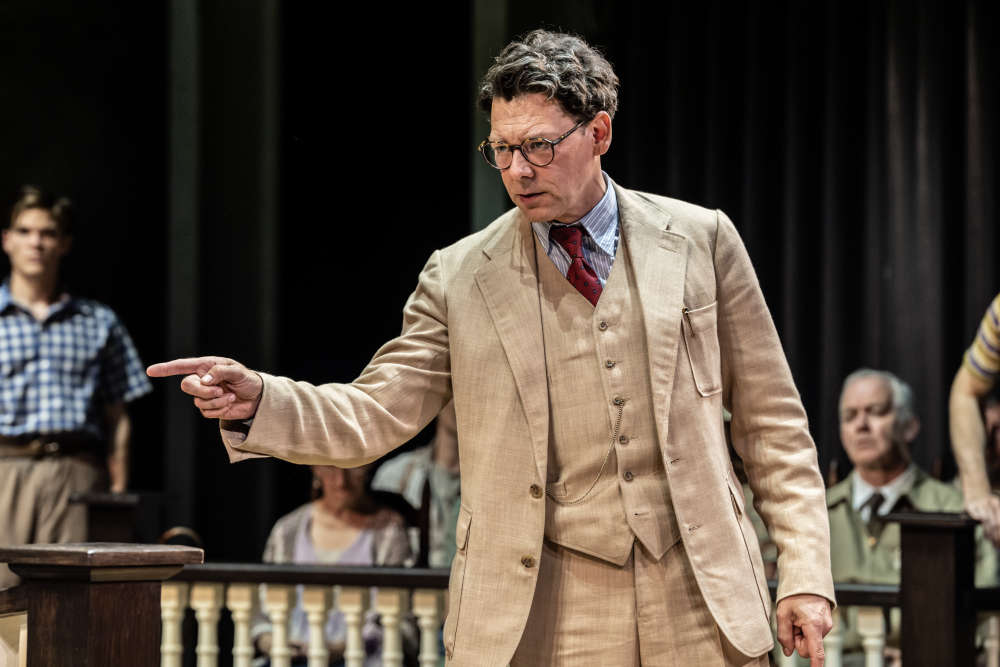
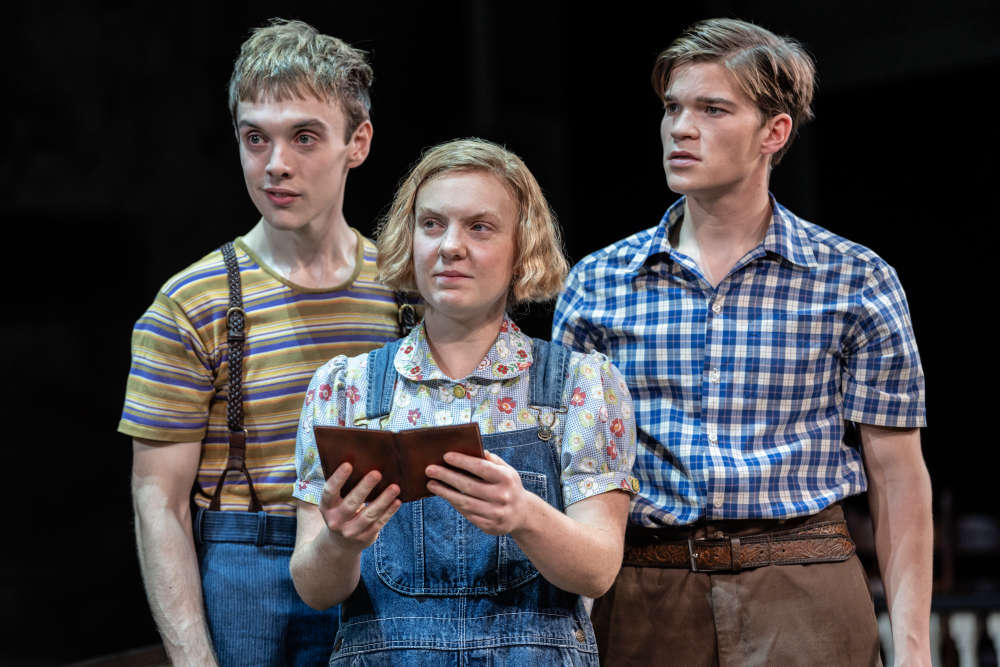
Atticus Finch is well-educated, strongly principled, and articulate. He also seems to be one of the few white men in Maycomb, Alabama, who does not view himself as superior because of his skin colour. His two children, Jem and Scout, and their new friend Dill find themselves witnesses to events over the summer, as Tom Robinson, a black man accused of a rape he did not commit, is put on trial. Atticus is convinced of the fundamental goodness in people, and is tested at every turn by his ‘friends and neighbours’, determined to prove him wrong.
To Kill a Mockingbird is a phenomenon of a novel, entering the zeitgeist since its sixties debut and the curriculum of seemingly every school in the UK. Aaron Sorkin’s distinctive whip-fast dialogue is notable for its deployment in “The Social Network”, but drawing it to themes of racial injustice in a trial setting is not new to the man either, having directed 2020’s “The Trial of the Chicago Seven”, which can draw a lot of parallels even with a different narrative focus. Sorkin’s dialogue flows off the stage and makes for easy listening; the children’s narration centres the piece, and is packed with comical insight befitting of characters of their age.
That, in itself, is something that conflicts with me, though, as the piece is tonally all over the place. The trial of Tom Robinson is a harsh affair with a bitter ending, and there are some ugly characters who do ugly things. I appreciate that viewing through the rose-tinted lens of a child muddies the picture of which events are given the most importance, but it still feels like time was spent being dragged between different sensibilities.
While the novel focuses solely on Scout’s experiences, the play gives greater narrative weight to Atticus and the ensemble as a whole. Calpurnia, the housekeeper of the Finch household, is the only black character given much interiority, there to make Atticus more fallible, and not a beacon of shining morality, but it comes too late in the tale that it just seems out of place from what we have previously been shown of the man.
I also believe that if you add scenes of Calpurnia (Andrea Davy) to give black characters a voice in a story of racial tensions, you can afford to do the same for Tom Robinson (Aaron Shosanya), who amounts to little more than a narrative prop. Come play’s end, the black cast has served as little more than set dressing. This isn’t necessarily a critique of the original novel, which is steeped in the author's white guilt and is more about growing up as a tolerant person in an intolerant world, but I do feel that more effort could have been made if you wanted to give other characters voices.
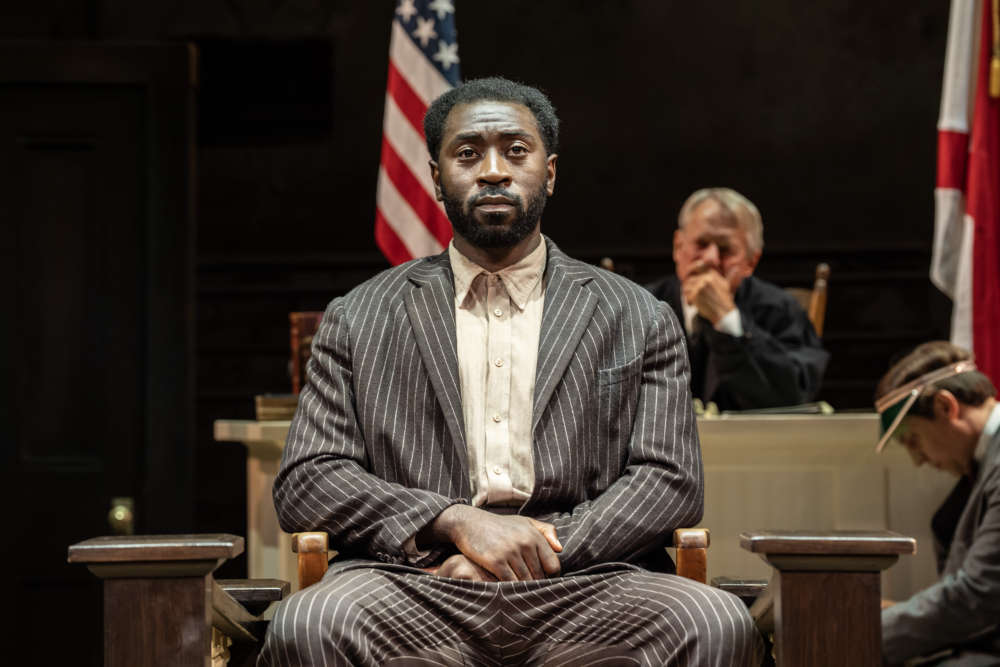
While I do take issue with elements of Sorkin’s adaptation, you cannot deny the effectiveness of his speech. The cast inhabit his words perfectly, Richard Coyle shines as the measured man at the head of the Finch family, and Anna Munden, Gabriel Scott, and Dylan Mayln are excellent as children growing into adults of their own. The court scenes are electric, drenched in stirring monologues from Atticus and the red-faced prosecution (Richard Dempsey, looking to burst a blood vessel). While the first half takes its time setting all the spinning plates and painting the town in detail, the second act shines by letting these plates fall where they may, with a wholly compelling ending that makes the whole piece less demoralising.
While you would hope that a play based on a book from the 1960s, based on events from the 1930s, shouldn’t prove more than a time capsule of intolerant attitudes. But in our current political climate, To Kill a Mockingbird is ever relevant.
To Kill a Mockingbird plays at Mayflower Theatre until 28th March, and you can book your tickets here: https://www.mayflower.org.uk/whats-on/to-kill-a-mockingbird-2026/#
 Stronger, More Financially Sustainable Councils By 2028
 Rehearsal Images Released for Mayflower Co-Production Kiss of the Spider Woman
 Library Red Bins For Unwanted Electrics
 Winchester Road Improvement - Have Your Say
 Southampton Highways Maintenance Increases
 Combined County Authority Gets £1.3 Billion Investment