
John Cleese's Fawlty Towers: The Play escalates to a raucous, explosive conclusion, blending into a cacophony of chaos that will have you cackling, chortling, and snorting.
Fawlty Towers [/Farty Towels/Watery Fowls/Flay Otters] is long considered a titan of British comedy, but much like other well-loved shows that have received stage adaptations recently, I have never managed to see an episode. Luckily, John Cleese’s Fawlty Towers: The Play was a major success, an uproarious laugh-a-second that never failed to bring the house down.
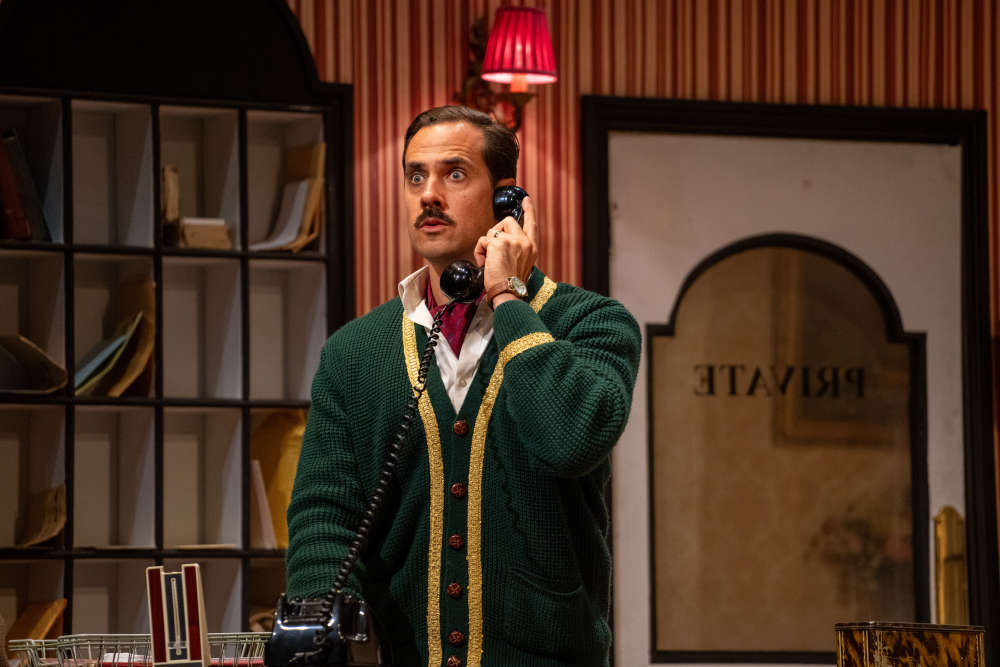
For the benefit of the other two people in the country not familiar, Fawlty Towers followed the ludicrous exploits of one Basil Fawlty, the owner of the aptly named titular Fawlty Towers, a hotel packed to the brim with some of the strangest and exaggerated British residents, all caricatures of the most frustrating people you are constantly forced to interact with.
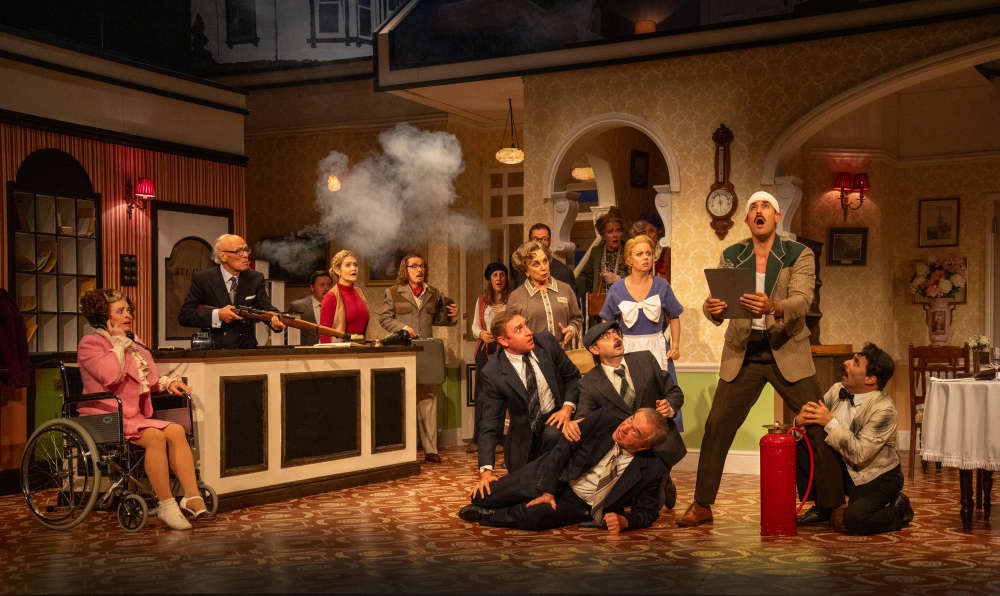
The Play adapts three of the most beloved episodes - “The Hotel Inspectors”, “The Germans”, and “Communication Problems”, weaving them together into one cohesive whole. All three contribute some truly laugh-out-loud moments; the Hotel Inspectors sees Basil (Danny Bayne) frequently unravel in his desperate attempts to impress phantom hotel inspectors, who he sees in every possible guest. Bayne’s commitment to landing punchlines and impressive physical comedy is nothing short of top-notch. Playing up Fawlty’s mannerisms for the stage comes with accentuating everything that makes him work — he is overstated but works all the better for it.
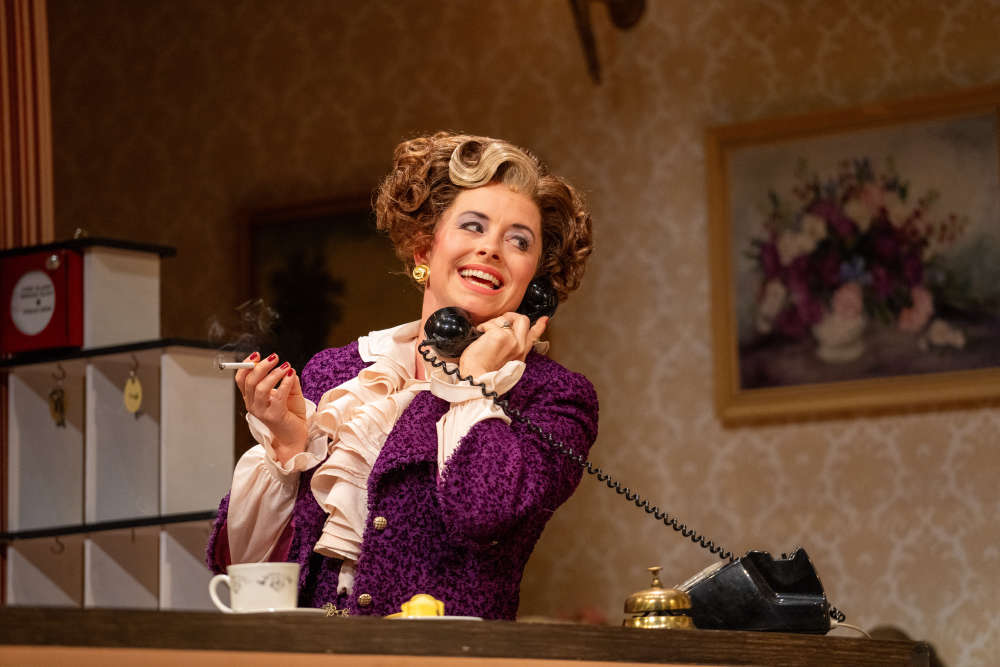
“The Germans” episode is quite rightly the most well-known of the show (and the only one I had a passing knowledge of), so it was only right to highlight it in the play’s second half. “Don’t mention the war” is, of course, an iconic line, and Bayne delivers it with all the perfect comedic timing necessary, but it was the classic ender “I mentioned it once, but I think I got away with it” that had me completely lose it.
The staging was also very impressive. The pop-up-book look contributes to the feeling of being absorbed into the era of television production, like a real studio audience seeing these works for the very first time. The cast utilise staging very effectively, with action occuring in all corners of the stage, as we are treated to the comedic spectacle.
For someone largely unfamiliar with the source material, I enjoyed Fawlty Towers: The Play far more than I expected. While other shows utilising their already built-in audience tend to just point at something audiences recognise and expect a laugh, Fawlty Towers simply serves as an adaptation, or a highlight reel of its best moments. Thus, for audiences unfamiliar with the show, they get everything they need simply by watching the chaos unfold, while fans can be reminded of the successes of comedies from yesteryear and enjoy seeing their fond memories memorialised onstage in a new format.
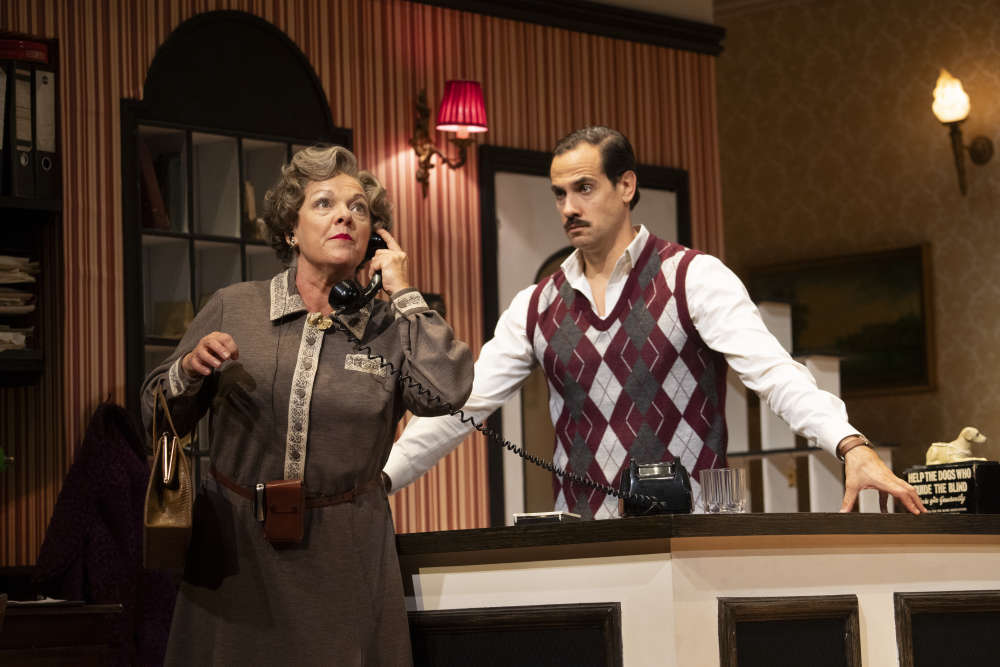
The show starts a bit slow, and I was worried at the beginning that perhaps something was lost in the decades since its original inception, but luckily, this is just a consequence of needing somewhere to go in its elongated format compared to the original half-hour. Events escalate to a raucous, explosive conclusion, smashing together the climaxes of multiple episodes, blending into a cacophony of chaos that will have you cackling, chortling, and snorting.
John Cleese’s Fawlty Towers: The Play plays at Mayflower Theatre until 7th March, and tickets can be bought here: https://www.mayflower.org.uk/whats-on/fawlty-towers-the-play-2026/
 David’s Dash Commissions David’s Motorbike
 127 Southampton Businesses Sign Letter to Westminster
 Southampton City Art Gallery Reopens Saturday 7 March
 Lib Dems Win Shirely By-Election By 21 Votes
 Working Together for Young People in St Mary’s
 GO! Southampton Says "Hospitality Businesses Are Calling For Change"