

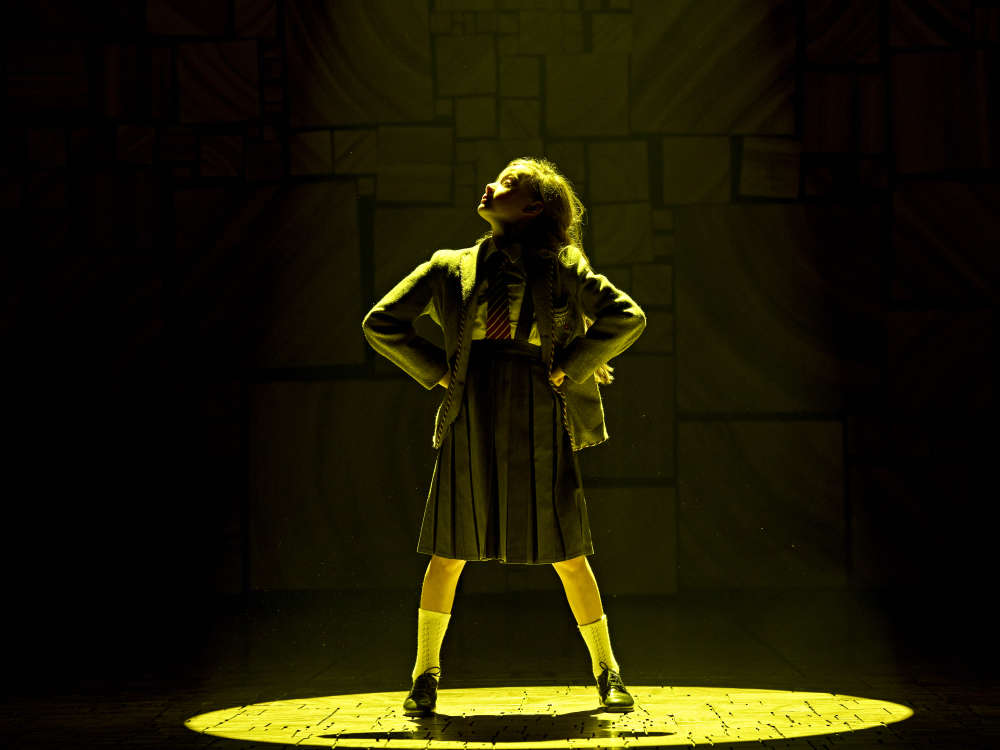
"...you walk out rethinking what it means to be a child." Lucy Gibson
Beyond maggots and miracles: what Matilda reveals about children and adults
You don’t walk out of Matilda the Musical just humming the songs: you walk out rethinking what it means to be a child. And perhaps, more uncomfortably, what it means to be an adult.
What if the naughty child isn’t the problem, but the message?
From the very beginning of Matilda’s story, this tension is painfully clear. What should be a moment of wonder (Matilda’s birth) is instead marked by denial, rejection and disappointment. While the doctor sees a miracle, her parents see inconvenience. The humour is dark, absurd, and uncomfortably revealing.
Matilda may have superpowers like telekinesis and an extraordinary intelligence. But what truly matters are her more human superpowers: a moral clarity that allows her to recognise injustice for what it is, and a deep curiosity that refuses to accept the world as it is.
Matilda sees what others overlook, feels what others dismiss, and, most importantly, refuses to believe things must simply stay the way they are. She refuses to be a victim of her own story.
Yet the world she inhabits rarely grants children that kind of agency. In the eyes of her parents, Mr and Mrs Wormwood, and the headmistress, Miss Trunchbull, Matilda is a “maggot”, a “gangster”, a “good case for population control”.
We may not go that far in real life, but perhaps you’ve heard it said of a child: “a handful,” “too much to manage,” “out of control,” “hopeless”. It’s a familiar refrain: they’re driving me mad, why can’t they just sit still or do as I say?
Adults often reach for quick labels to make sense of behaviour that feels overwhelming or inconvenient. These labels are rarely malicious; they are compressed expressions of stress, expectation, or a limited understanding of children’s developmental needs. But they shape how children are seen, and therefore how they are treated. Once that lens is in place, it can quickly harden into their own identity.
In Matilda’s world, the rules for children are simple: don’t think, don’t question, just obey. Better yet, stay quiet, stay small, and stay distracted (screens, of course, help with that). So the expectation is set: like Jack and Jill or Romeo and Juliet, children should simply accept their fate. No agency. No resistance. No defiant behaviour that might land them in the dreaded Chokey. Their role is to comply until any “smell of rebellion” has been sweated out of them in Phys Ed.
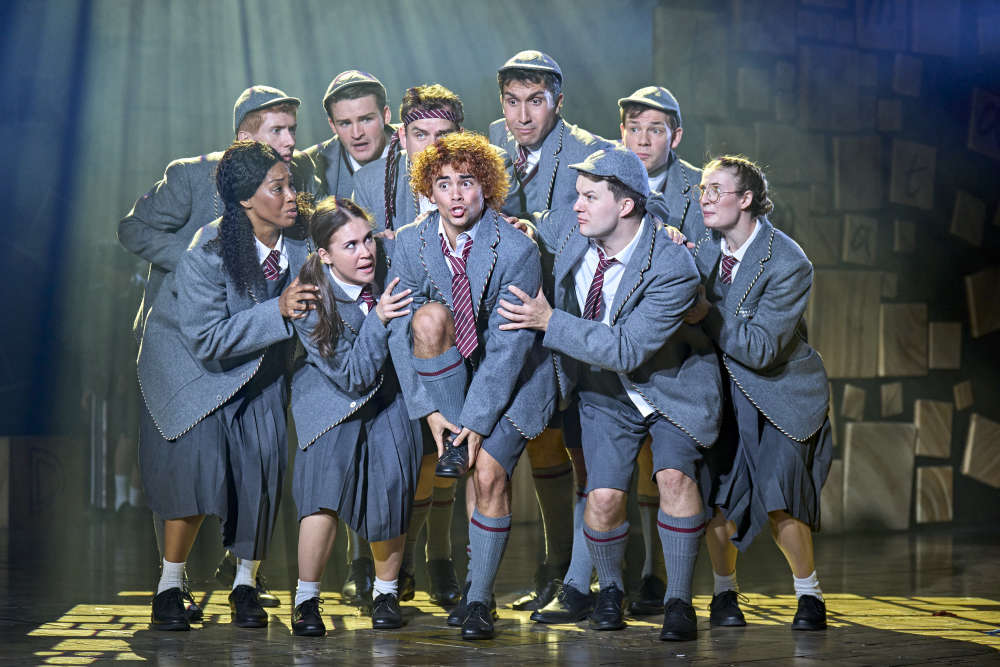
Is our world really that different?
And yet the question remains: are these children truly “naughty”? Or are they, in their own way, resisting the bullies in their lives, the Wormwoods and Trunchbulls who are stealing their childhoods?
What makes Matilda remarkable is not just her defiance, but her composure. Amidst the chaos of home and school, she cultivates something powerful: inner strength and self-discipline. She learns to steady her thoughts, to channel anger into purpose, and to transform rebellion into something collective and hopeful. Matilda doesn’t just fight the system, she invites others to fight and rise with her.
Beneath the sharp humour and exceptional production, lies an unsettling truth: for many children, childhood does not feel like freedom, but confinement. In a world where psychological and physical harm still exists, it’s no surprise that some children wish simply to grow up. They want to escape oppression, to have a voice, to finally experience the freedom that’s been taken away from them.
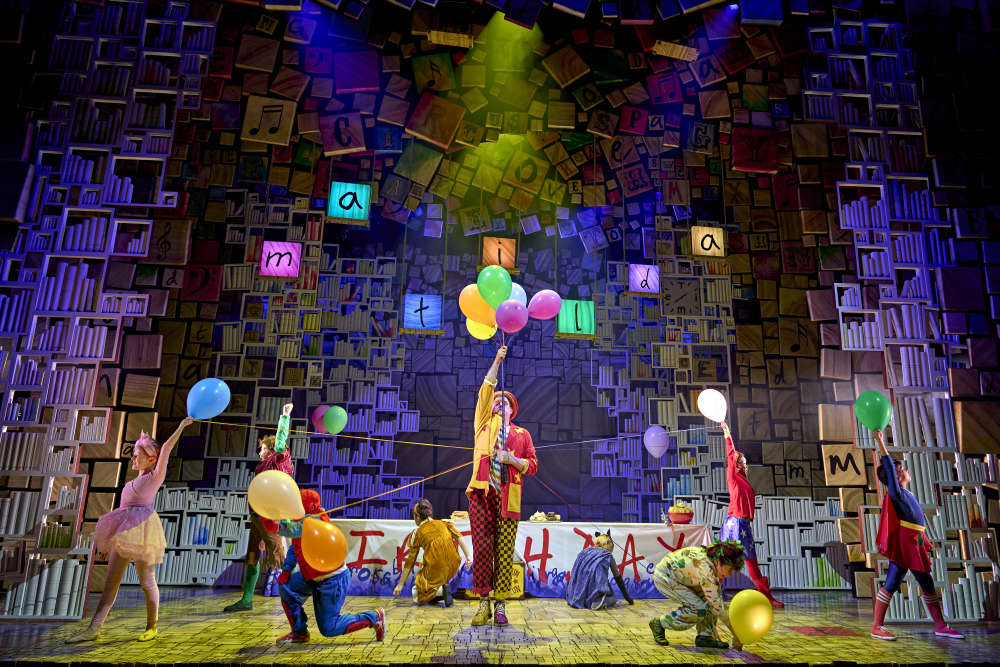
Of course, the story also hints at something more complex: the Wormwoods and Miss Trunchbulls of the world were once children too. Their cruelty may be rooted in their own pasts. It may be understandable, but it is never acceptable.
Thankfully, characters like the nurturing teacher Miss Honey and the warm, encouraging librarian Mrs Phelps remind us of the transformative power of adults who truly see children: who listen, support, and believe in their potential.
Perhaps, that’s where Matilda The Musical echoes long after the curtain falls: not just as a celebration of children’s courage, but as an invitation to reflect on the adult’s role in a child’s life.
Lucy Gibson is an educator and presenter of School Run on Voice FM.
Book your seats at www.mayflower.org.uk
 Voice FM's Fan Girl Hour Reviews RAYE at Royal Albert Hall
 Southampton hosting national gathering to drive growth
 Venturefest South Announces Voice FM As New Media Partner
 Council Launches Fly Tipping Team
 Remember a Loved One With Trees for Life 2026
 Go Southampton make lengthy commitment to night time safety